Archive
#BYOD + #Messaging + #Collaboration + #Data securely = How??
Yes, how do you solve this?
I’m running into this topic lately with a lot of people and customers….
It’s around the whole BYOD and unmanaged devices and how useful they are in an enterprise world and all the capabilities and way of working that you’re used to in a secure and still cost effective way (and let’s not forget in a USER FRIENDLY way)!
One question that I’ve not yet found an answer to is:
How do we have all offline capabilities needed for an “Office” worker on a BYOD in our enterprise landscape? How do we ensure that you can use our Messaging, Collaboration and Data/Info services on this totally unmanaged device in a SECURE way?
This is a tough challenge! I guess that most of your users are used to using the Office suite locally on their managed device where they can use Outlook offline, work with data/files in Excel and Word etc offline. But what happens if you tell them to use an unmanaged device or their own personal device of their choice?
All of a sudden there is no real good way of providing them with offline messaging and collaboration (Outlook Anywhere and Lync for instance) capabilities in a secure manner. This BYOD/unmanaged device is not a part of your AD, you have no control and cannot enforce anything! So Outlook that is installed on it may use your Outlook Anywhere service but then its data sits on that unmanaged device unencrypted and unsecured!
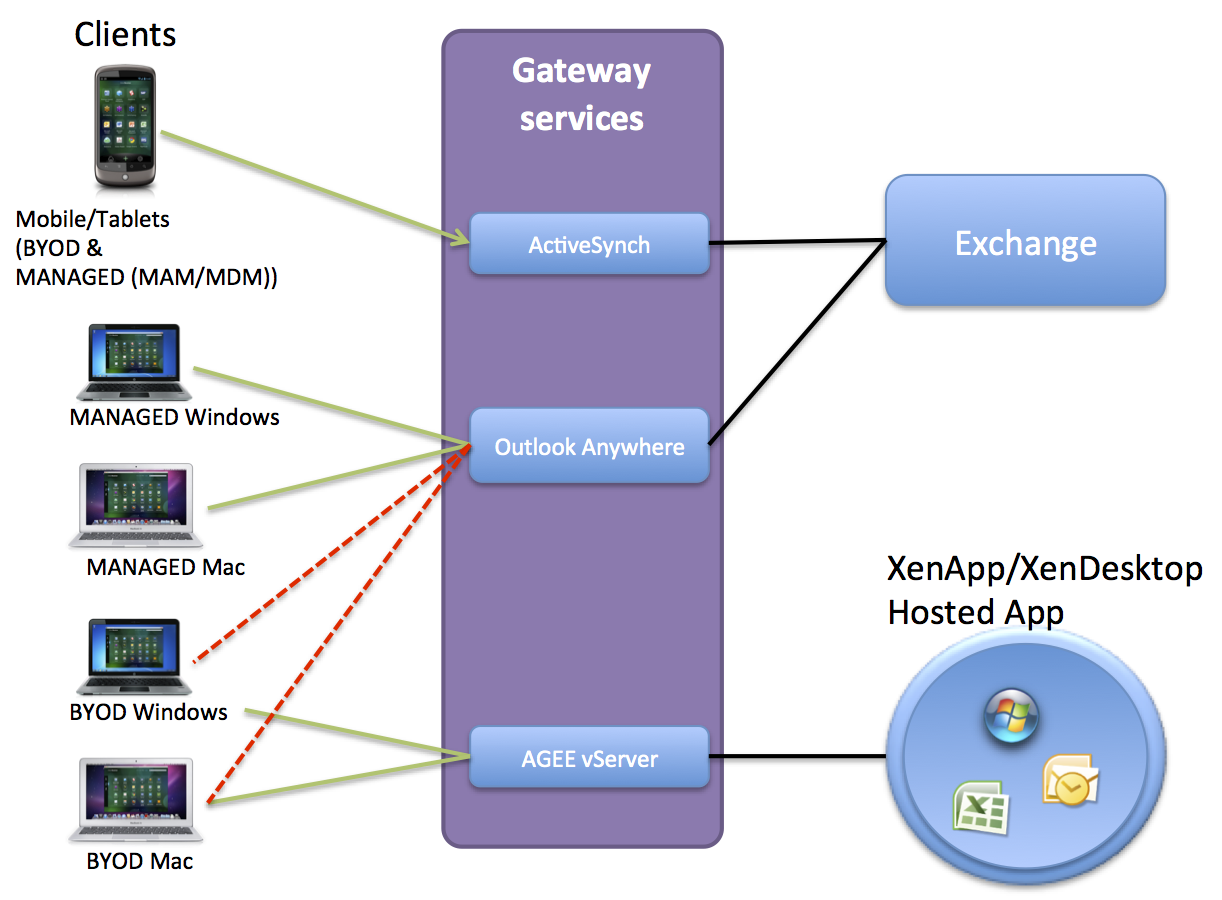
Think of the picture above (yes I know it’s a mess but I just want to illustrate the issue), you have BYOD devices that are running Windows 7, XP, 8 etc and also Mac OS X. What if you open up your Outlook anywhere service to those devices, then all your emails etc. will be unsecured on them!
Citrix and others are focusing on providing this email capability in a secure manner on all mobile OS’s like iOS and Android etc through it’s Citrix Worx apps for mail and also the newly announced Hosted MobileMail. But these are more or less just targeted against mobile devices (smartphones and tablets), but what about the standard laptop users!?!?! They need something as well!
And Windows RMS and other solutions just wont fit very well here… Citrix XenVault was something that could have worked to enable offline support for corporate Messaging services but it’s not there… I’d like to run corporate apps locally on the device offline in a secure and controllable container!!
The same issue you have with Data!!!
ShareFile doesn’t support encryption on Windows or OS X!!!
But it does on mobile devices.. I guess you have to trust your users and BYOD devices that they are encrypted using BitLocker or FileVault etc…. but can you?
So please enlighten me here what the missing puzzle piece is!! Because I have a hard time taking away a managed device form a user and tell them that they on their BYOD device HAVE TO BE ONLINE TO WORK! It’s a step back from a usability and productiveness point of view… but it may be a cost saver though… but is a BYOD/unmanaged device and a VDI or Hosted Shared Desktop always a good option to provide business apps to that laptop? NO! I guess everyone have understood that making business apps and functions web-based or mobile app based is good and a lot of focus is there, but we cannot forget the traditional productive device that the laptop is!
If you know the magic solution to these challenges please let me know! 🙂
Cheers!
//Richard
Top 10 #CitrixSynergy sessions…watch them today!
Have a look at the 10 most popular Citrix synergy sessions! They are now uploaded and ready for you to see:
- SYN501: Geek Speak Tonight! (Desktop Virtualization panel) & SYN501 (Mobility panel)
- SYN415: Advanced best practices for migrating from Web Interface to StoreFront
- SYN321: Next-generation desktop and app delivery with XenDesktop 7, Microsoft System Center 2012
- SYN334: What’s new in XenDesktop and XenApp Platinum
- SYN320: XenDesktop 7: what you should know about FlexCast management architecture and XenApp migration
- SYN299: One Step Beyond – An audience with the Citrix CTO’s
- SYN322: XenDesktop 7: reinventing HDX for mobile, 3D graphics and beyond
- SYN222: Architecting a global XenApp farm with regional users using NetScaler and StoreFront
- SYN404: Introducing the Citrix Diagnostic Toolkit
- SYN206: What’s new in ShareFile Enterprise
Continue reading here!
//Richard
#Apache #CloudStack grows up – #Citrix, #IaaS – via @sjvn
On June 4th, the 4.1.0 release of the Apache CloudStack Infrastructure-as-a-Service (IaaS) cloud orchestration platform arrived. This is the first major CloudStack release since its March 20th graduation from the Apache Incubator.

It’s also the first major release of CloudStack since Citrix submitted the project to the Apache Foundation in 2012. Apache CloudStack is an integrated software platform that enables users to build a feature-rich IaaS. Apache claims that the new version includes an “intuitive user interface and rich API [application programming interface] for managing the compute, networking, accounting, and storage resources for private, hybrid, or public clouds.”
This release includes numerous new features and bug fixes from the 4.0.x cycle. It also includes major changes in the codebase to make CloudStack easier for developers; a new structure for creating RPM/Debian packages; and completes the changeover to using Maven, the Apache software project management tool.
Apache CloudStack 4.1.0’s most important new features are:
- An API discovery service that allows an end point to list its supported APIs and their details.
- Added an Events Framework to CloudStack to provide an “event bus” with publish, subscribe, and unsubscribe semantics. Includes a RabbitMQ plug-in that can interact with AMQP (Advanced Message Queuing Protocol) servers.
- Implement L3 router functionality for the VMware Nicira network virtualization platform (NVP) plug-in
- Support for Linux’s built-in Kernel-based Virtual Machine (KVM) virtualization with NVP L3 router
functionality. - Support for AWS (Amazon Web Service) style regions
What all this adds up to, according to CloudStack Project Management Committee (PMC) member Joe Brockmeier, is that today’s CloudStack is “a mature, stable project, [that] is also free as in beer and speech. We believe that if you’re going to be building an IaaS cloud for private or public consumption, you’ll be better served choosing an open platform that any organization can participate in and contribute to.”
Brockmeier concluded, “CloudStack is a very mature offering that’s relatively easy to deploy and manage, and it’s known to power some very large clouds–e.g., Zynga with tens of thousands of nodes–and very distributed clouds–such as DataPipe, which…
Continue reading here!
//Richard
#BYOD: From optional to mandatory by 2017, says #Gartner
I agree with this great article and the analysis made by Gartner.
Bring-your-own-device (BYOD) has for some time been gaining traction in the workplace, as not only a way of freeing up IT costs but also liberalizing workers from being virtually chained, clunky, aging machines at their desks.
But latest research from Gartner suggests that by 2017, half of employers may impose a mandatory BYOD policy — requiring staffs to bring their own laptop, tablet and smartphone to work.
As an optional policy, workplaces still have an IT fallback option, but many are choosing to bring their own tablets and smartphones to work in order to work more effectively using the technology they feel more comfortable with.
Some interesting tidbits from the research:
- 38 percent of companies expect to stop providing workplace devices to staff by 2016. (PCs, such as desktops and laptops, are included in the definition of BYOD.)
- BYOD is most prevalent in midsize and larger enterprises, often generating between $500m-$5bn in revenue per year, with 2,500-5,000 employees on the roster.
- BRIC nations, such as India, China, and Brazil, will most likely already be using a personal device — typically a “standard mobile phone” — at work.
- Meanwhile, companies in the U.S. are more likely to allow BYOD than those in Europe (likely due to stronger data protection rules, see below).
- Around half of all BYOD programs provide a partial reimbursement, while full reimbursement costs “will become rare.”
- Gartner vice president David Willis says companies should “subsidize only the service plan on a smartphone.”
But there’s a problem within. Those who have yet to adopt a BYOD policy often generally cite one of two good reasons (or both): interoperability and…
Continue reading here!
//Richard
Connect #Office365 to #AD for Free, with #Okta
This is kind of cool! Check it out!
Connect Office365 to AD for Free, with Okta
- Simple Set Up and Configuration – Enabling AD integration is a simple, wizard driven process. With the click of a button from the Okta administrative console you can download the Okta Active Directory agent and install it on any Windows Server that has access to your Domain Controller.
- Intelligent User Synchronization – Once the agent is installed and the initial user import takes place Okta intelligently processes the results.
- Robust Delegated Authentication – Okta’s AD integration also allows you to delegate the authentication into Okta, to your on-premises AD Domain.
- Integrated Desktop Single Sign-On – Okta leverages Microsoft’s Integrated Windows Authentication to seamlessly authenticate users to Okta that are already authenticated with their Windows domain.
ACTIVE DIRECTORY OVERVIEW

Login VSI 4.0 – #LoginVSI, #VDI, #Scalability, #BYOD – @LoginVSI
Login VSI 4.0 released!!
Wow, I can’t believe that my week was this busy… tooo bad though I must say thank you so much to the Login VSI team for giving me the privilege to test Login VSI 4.0 Pro prior to the release… but did I have the time? Nooooo…. 😦
But it’s gonna be one of the first things I do when I get some spare time over some night/weekend in the near future!!
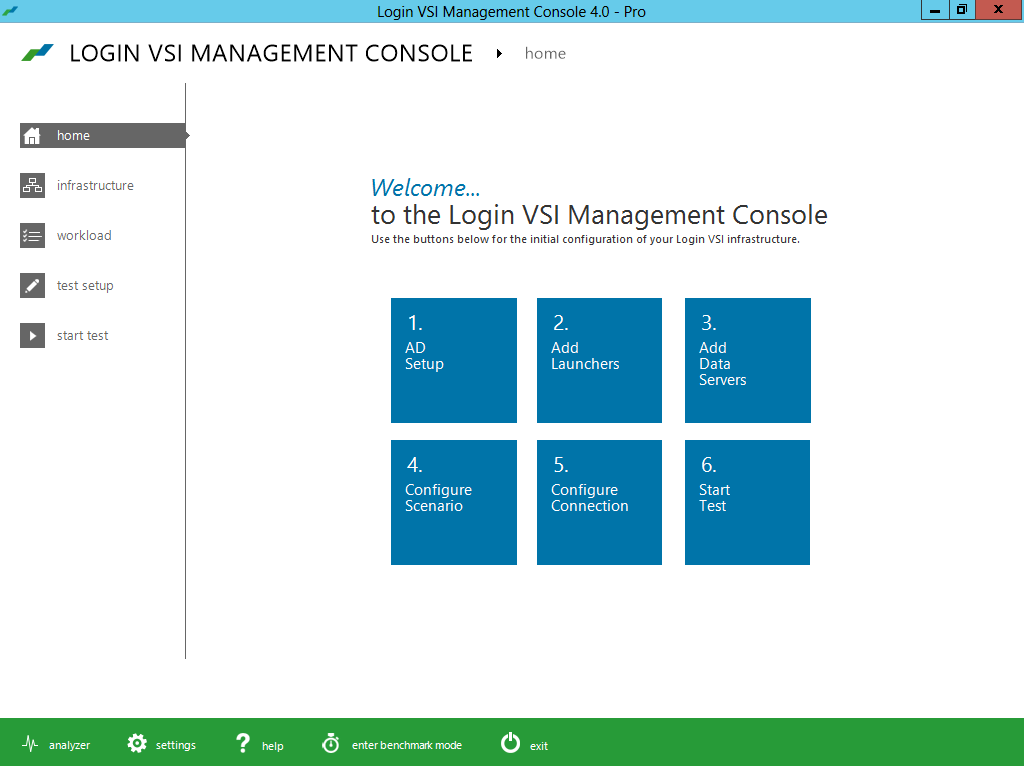
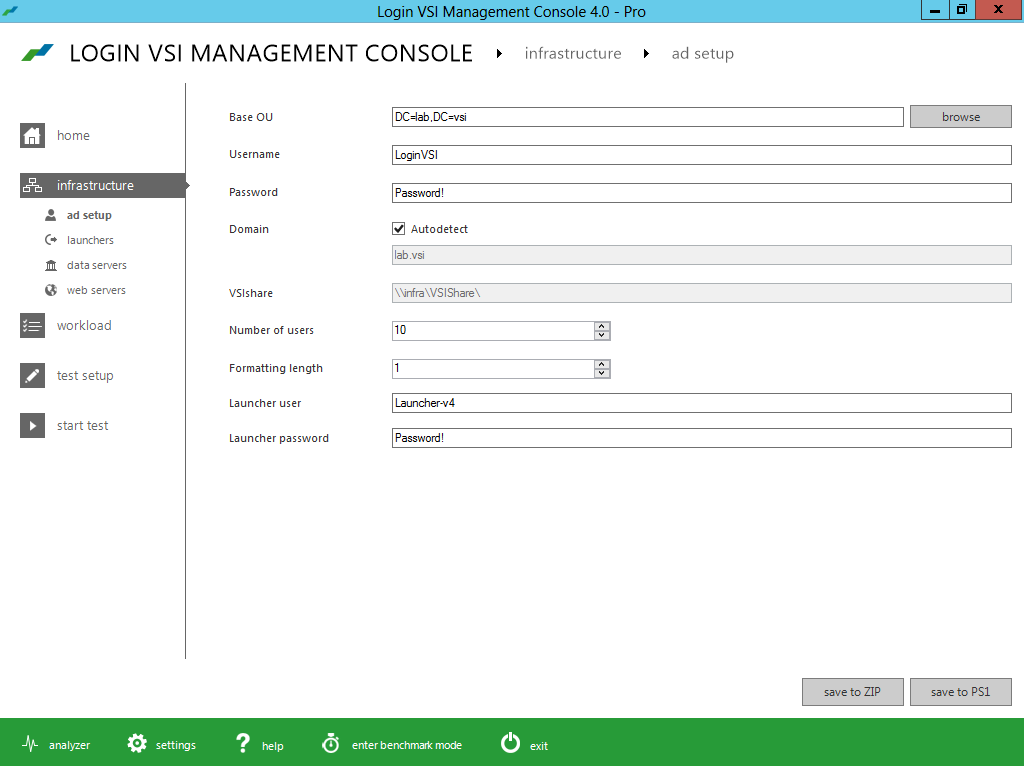
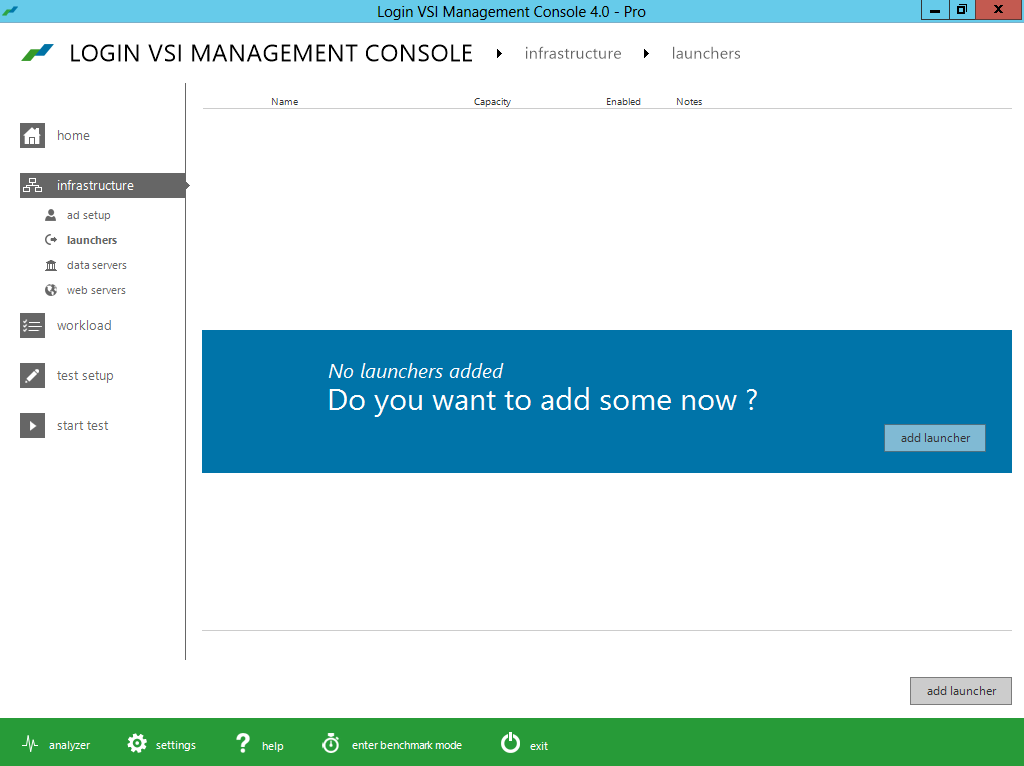
Below you find the press release and a bunch of pictures I got as a part of the “blogger preview” kit!
Improved ease of installation
- Minimized test image footprint
- Centralized management and updates
- Direct Desktop Launch Mode, saves on infrastructure
Improved ease of test creation
- New intuitive and workflow oriented UI
- New editor simplifies workload customization
- Benchmarking mode simplifies comparisons
Improved test realism
- More realistic user workload patterns
- More realistic dataset and data/file access
- Real-world test execution with multiple phases
Improved test insight
- New dashboard with real-time test feedback
- Enhanced VSImax accuracy
- Automated reporting of all relevant data

WOW! – MS readies ‘Mohoro’ Windows desktop as a service – #BYOD, #DaaS – via @brianmadden
What can you say!?!? It wouldn’t surprise me a bit!! Of course Microsoft would come out with an Azure based cloud offerings of Desktops as a Service! I will follow this progress for sure, interesting and NOT so nice for quite a number of partners out there…
Summary: Microsoft is believed to be building a Windows Azure-hosted desktop virtualization service that could be available on a pay-per-use basis.
In yet another example of its growing emphasis on remaking itself as a devices and services company, Microsoft looks to be developing a pay-per-use “Windows desktop as a service” that will run on Windows Azure.

The desktop virtualization service, codenamed Mohoro, is in a very early development phase, from what I’ve heard from sources. I don’t know the final launch target, but I wouldn’t be surprised if it isn’t until the second half of 2014.
Mohoro is a town located on the island of Grande Comore in the Comoros Islands in the Indian Ocean. Given that members of the Microsoft India Development Center may be playing a key role in Mohoro’s development, according to my sources, the codename choice seems appropriate.
Microsoft owns the Mohoro.com and Mohoro.Net domain names.
Mohoro, like another Windows service, Windows Intune, is a product of Microsoft’s Server and Tools unit, I hear. Windows Intune is still not yet hosted on Windows Azure (as far as I know), but supposedly the plan is to move it to Azure at some point. Windows Intune already does make use of Windows Azure Active Directory as its directory and authentication service.
The same way that Windows Intune is the cloud complement to System Center, Mohoro seems to be the cloud version of Remote Desktop/Remote App.
This is like “Remote App as a hosted service,” said one of my contacts. It could be for companies who want thin clients or to run legacy apps on new PCs. Right now, companies have to have their own servers in the equation to do this, but “with Mohoro, you click a few buttons, deploy your apps, use Intune to push out configuration to all of your company’s devices, and you’re done,” my contact added.
Microsoft currently offers multiple ways for users to access their Windows desktops remotely via different virtualization technologies and products.
The aforementioned Remote App/Remote Desktop allows Windows users to connect to a remote Windows PC and access resources from it. On the Windows RT front, given that operating system’s restrictions on use of almost any existing Win32 applications, Remote Desktop provides a way for users to continue to use apps they already have on new hardware like the Microsoft Surface RT. Licensing of Remote Desktop and Remote Desktop Services is complex, however, and requires access to server infrastructure on the back-end.
Currently, it is not possible under Microsoft’s licensing terms to run Windows client in virtual machines hosted on Windows Azure. (The new Azure VMs do allow…
Continue to read this great blog post by Mary Jo Foley here!
//Richard
Free whitepaper: Enterprise #Architecture and ITIL: Implementing Service Strategy
Have a look at this free whitepaper!
In the previous paper “Enterprise Architecture and ITIL: Where is the Value in ITIL?” Trevor Lea-Cox looked at why and under what circumstances Service Management, the focus of ITIL® is important.
Essentially Service Management is important because the concept and use of services is a powerful mechanism for structuring and managing the growth of an organization, including the IT function. As the IT function grows, IT Services reach a level of complexity where they can no longer be managed on an informal basis. ITIL provides the best practice guidelines for managing IT Services on a (progressively) more formal basis.
In this paper Trevor will:
- Review (briefly) the recommendations of ITIL for developing and managing a Service Strategy for IT Services.
- Try to clarify what is meant by an “IT Service”.
- Then apply these principles to managing a small EA department within an IT function.
Register and download here!
//Richard
#Citrix Knowledge Center Top 10 – March 2013
Citrix Support is focused on ensuring Customer and Partner satisfaction with our products.
One of our initiatives is to increase the ability of our Partners and Customers to leverage self-service avenues via our Knowledge Center.
Find below the Citrix Knowledge Center Top 10 for March 2013.
Top 10 Technical Articles
| Article Number | Article Title |
|---|---|
| CTX129229 | Recommended Hotfixes for XenApp 6.0 and Later on Windows Server 2008 R2 |
| CTX129082 | Application Launch Fails with Web Interface using Internet Explorer 9 |
| CTX804493 | Users Prompted to Download ICA File, Launch.ica, Instead of Launching the Connection |
| CTX132875 | Citrix Receiver Error 2320 |
| CTX105793 | Error: Cannot connect to the Citrix server. Protocol Driver Error |
| CTX127030 | Citrix Guidelines for Antivirus Software Configuration |
| CTX115637 | Citrix Multi-Monitor Configuration Settings and Reference |
| CTX133997 | Citrix Receiver 3.x – Issues Fixed in This Release |
| CTX325140 | Manually and Safely Removing Files after Uninstalling the Receiver for Windows |
| CTX101644 | Seamless Configuration Settings |
Top 10 Whitepapers
| Article Number | Article Title |
|---|---|
| CTX131577 | XenApp 6.x (Windows 2008 R2) – Optimization Guide |
| CTX132799 | XenDesktop and XenApp Best Practices |
| CTX101997 | Citrix Secure Gateway Secure Ticket Authority Frequently Asked Questions |
| CTX136546 | Citrix Virtual Desktop Handbook 5.x |
| CTX136547 | StoreFront Planning Guide |
| CTX133185 | Citrix CloudGateway Express 2.0 – Implementation Guide |
| CTX129761 | XenApp Planning Guide – Virtualization Best Practices |
| CTX134081 | Planning Guide – Citrix XenApp and XenDesktop Policies |
| CTX130888 | Technical Guide for Upgrading/Migrating to XenApp 6.5 |
| CTX122978 | XenServer: Understanding Snapshots |
Top 10 Hotfixes
| Article Number | Article Title |
|---|---|
| CTX136714 | Hotfix XS61E016 – For XenServer 6.1.0 |
| CTX132122 | Hotfix Rollup Pack 1 for Citrix XenApp 6.5 for Microsoft Windows Server 2008 R2 |
| CTX126653 | Citrix Online Plug-in 12.1.44 for Windows with Internet Explorer 9 Support |
| CTX136483 | Hotfix XS61E014 – For XenServer 6.1.0 |
| CTX133882 | Hotfix Rollup Pack 2 for Citrix XenApp 6 for Microsoft Windows Server 2008 R2 |
| CTX133066 | 12.3 Online Plug-In – Issues Fixed in This Release |
| CTX136253 | Hotfix XS61E010 – For XenServer 6.1.0 |
| CTX136482 | Hotfix XS61E013 – For XenServer 6.1.0 |
| CTX136085 | Hotfix XA650R01W2K8R2X64061 – For Citrix XenApp 6.5 |
| CTX136674 | Hotfix XS61E012 – For XenServer 6.1.0 |
Top 10 Presentations
| Article Number | Article Title |
|---|---|
| CTX135521 | TechEdge Barcelona 2012 PowerPoint and Video Presentations – Reference List |
| CTX129669 | TechEdge 2011 – Overview of XenServer Distributed Virtual Switch/Controller |
| CTX121090 | Planning and implementing a Provisioning Server high availability (HA) solution |
| CTX133375 | TechEdge 2012 PowerPoint and Video Presentations – Reference List |
| CTX135356 | TechEdge Barcelona 2012 – Understanding and Troubleshooting ICA Session Initialisation |
| CTX135358 | TechEdge Barcelona 2012 – XenDesktop Advanced Troubleshooting |
| CTX133374 | TechEdge 2012 – Monitoring your NetScaler Traffic with AppFlow |
| CTX135361 | Troubleshooting Tools: How to Isolate and Resolve Issues in your XA and XD Env Rapidly |
| CTX135360 | TechEdge Barcelona 2012 – Planning, Implementing and Troubleshooting PVS 6.x |
| CTX135357 | TechEdge Barcelona 2012 – Implementing and Troubleshooting SF and Rec for Windows |
Top 10 Tools
| Article Number | Article Title |
|---|---|
| CTX122536 | Citrix Quick Launch |
| CTX135075 | Citrix Diagnostics Toolkit – 64bit Edition |
| CTX130147 | Citrix Scout |
| CTX111961 | CDFControl |
| CTX106226 | Repair Clipboard Chain 2.0.1 |
| CTX109374 | StressPrinters 1.3.2 for 32-bit and 64-bit Platforms |
| CTX124406 | StressPrinters 1.3.2 for 32-bit and 64-bit Platforms |
| CTX113472 | Citrix ICA File Creator |
| CTX123278 | XDPing Tool |
Continue reading here!
//Richard



 The IT Melting Pot!